


Your Recovery Plan After Total Knee Replacement
From day one after surgery to getting back to the life you love — cold, heat, compression, and contrast therapy to guide you through every stage.

Core principle: you advance based on how your swelling resolves — not the calendar. Your physical therapist decides when you're ready for the next stage.
Three Keys to a Strong Recovery
A successful recovery after total knee replacement (TKR) comes down to three things: controlling inflammation early (the acute phase), rebuilding range of motion and strength (the mid phase), and long-term maintenance and prevention (the chronic phase).
XPOLAR X2 covers the entire journey with one device: cold therapy to calm inflammation and swelling, heat to prime tissue before exercise, compression to move fluid out, and contrast therapy to speed recovery. Each mode maps to a specific need along the way.
Four Modes, One Device

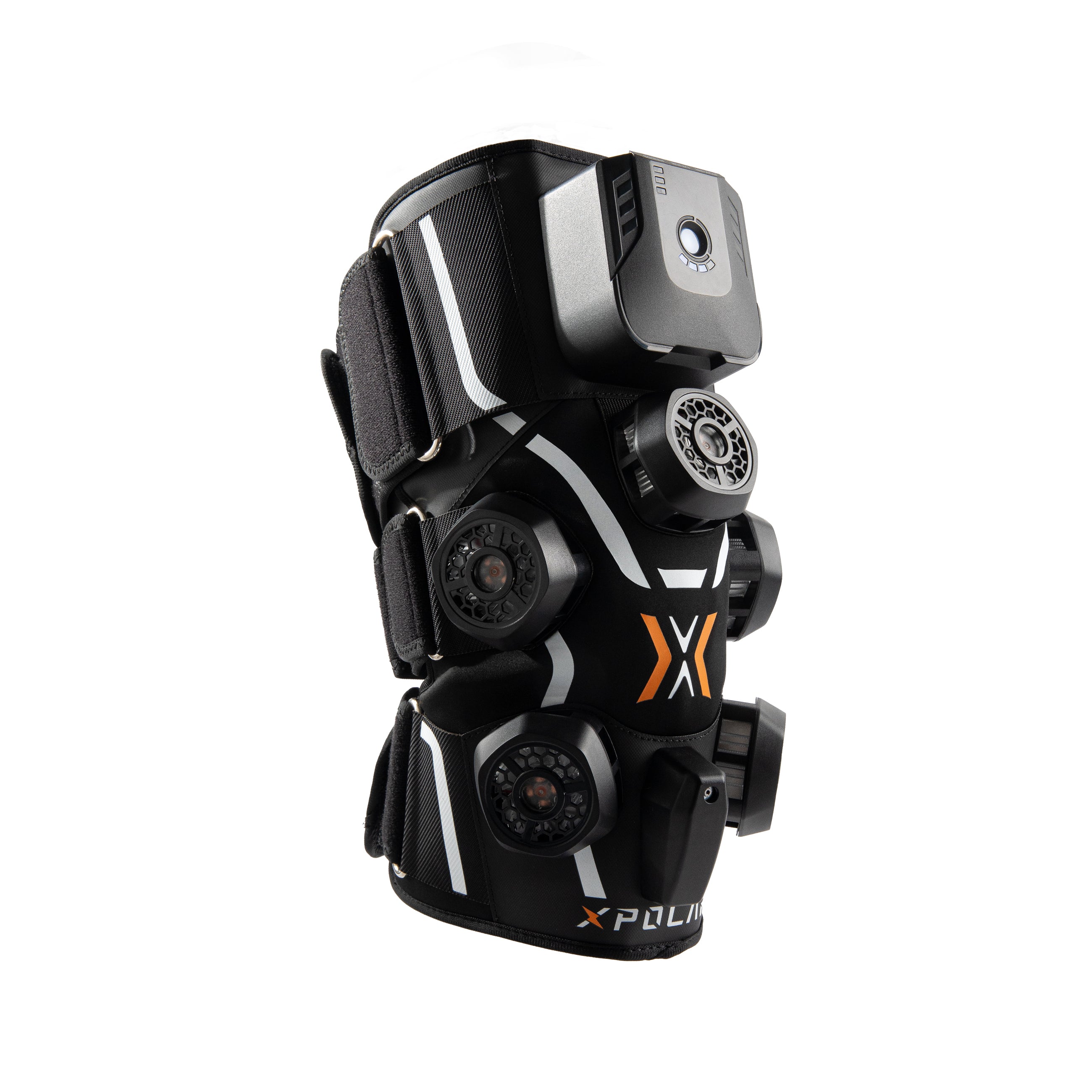
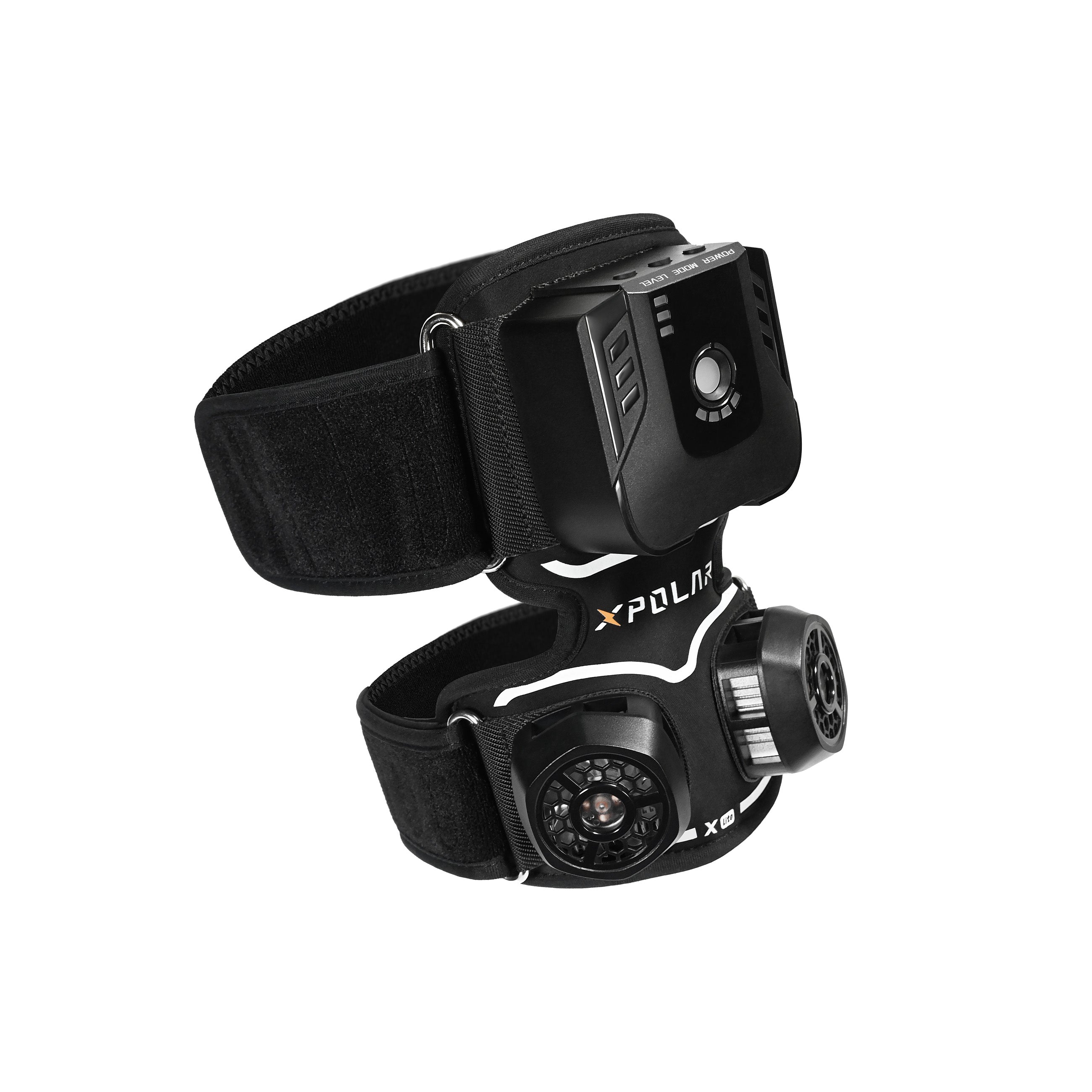
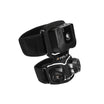
XPOLAR X2 Smart Knee Recovery System
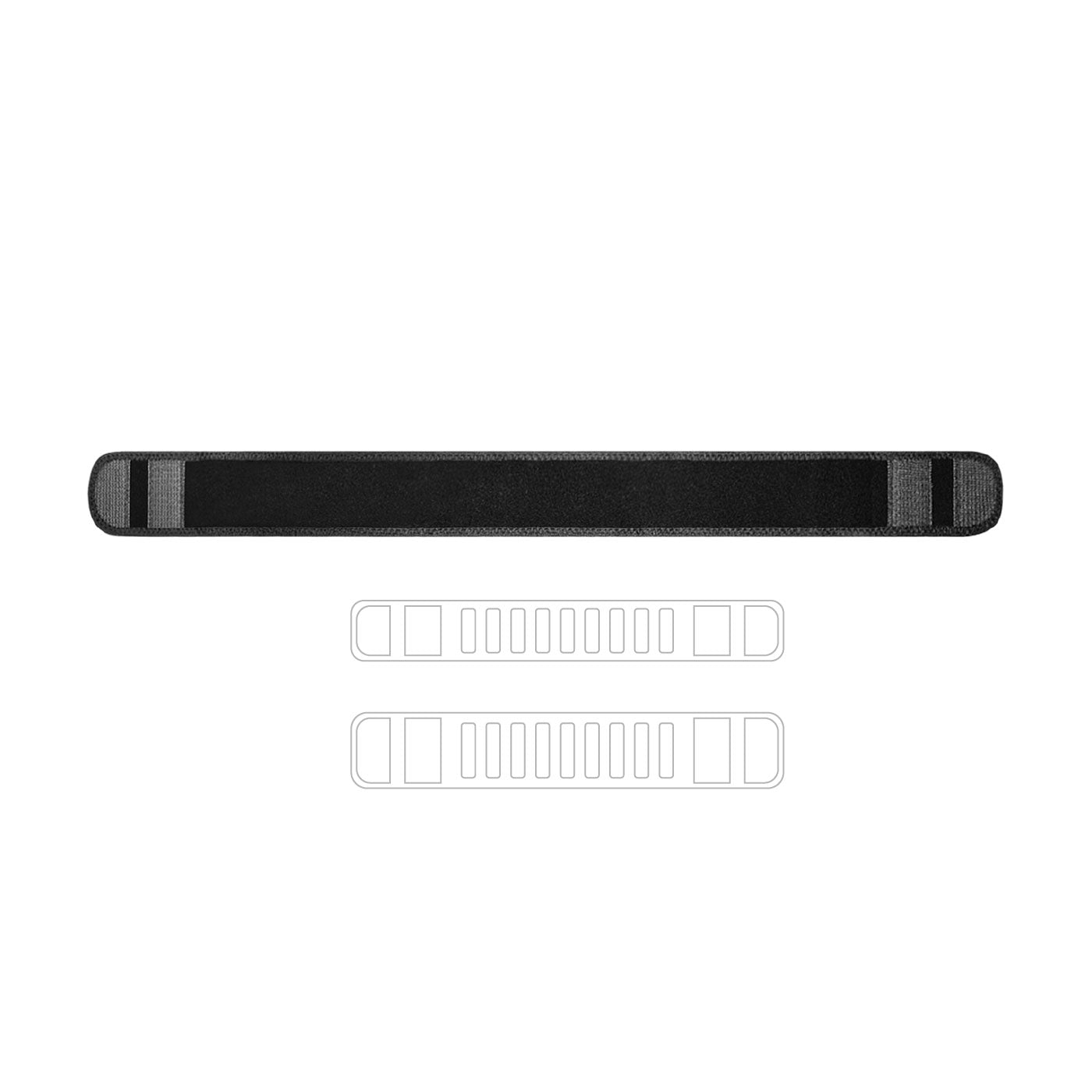
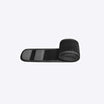
A wearable knee wrap with app-based temperature and time control — cold, heat, compression, and contrast therapy in a single device. With the extension strap it also works on the shoulder and back, so one device carries you through the full recovery and looks after the whole family.
The Three-Phase Protocol
Goal: control inflammation, protect the surgical site, and begin restoring motion. In this phase you use cold and compression only — heat and contrast come later (while swelling is still present, heat makes inflammation worse).
- Swelling is trending down (worst in week 1, easing through weeks 2–6)
- Pain is gradually settling from its peak
- Range of motion climbing from 0° toward 50–70° of flexion
| When | Mode | Duration | Purpose |
|---|---|---|---|
| First thing in the morning | Cold | 10–20 min | Ease morning swelling and stiffness — not heat, since swelling is still active this early |
| After rehab exercise | Cold | 10–20 min | Control post-exercise inflammation |
| Before bed | Cold + Compression* | 10–20 min | Drive lymphatic drainage, reduce swelling |
* Compression is best started once the surgical incision has fully healed.
Goal: build range of motion and strength, and restore everyday function. This is the prime window for heat — warm tissue before exercise, then use contrast therapy to speed recovery.
- Swelling has clearly resolved (confirmed by your PT)
- Range of motion has reached 70–90° of flexion
- You can walk day-to-day without crutches
| When | Mode | Duration | Purpose |
|---|---|---|---|
| Before rehab exercise | Heat 104–113°F | 10–20 min | Warm tissue, boost blood flow, improve motion |
| After rehab exercise | Cold or Contrast | Cold 10–20 / Contrast 15 min | Cold: control inflammation; Contrast: speed recovery |
| Evening maintenance | Cold + Compression | 10–20 min (every other day) | Keep swelling in check, aid drainage |
Goal: maintain range of motion, build strength, prevent re-injury, and return to sport and daily life. Use shifts to “as needed” rather than “every day.”
| Scenario | Mode | Duration |
|---|---|---|
| Everyday activity day | Cold + Compression (evening, every other day) | 10–20 min |
| Workout / high-intensity day | Heat (before) + Contrast (after) | Heat 10–20 / Contrast 15 min |
| Long standing / walking day | Cold + Compression (evening) | 10–20 min |
| Swelling or pain flare-up | Cold (as needed) | 10–20 min |
Frequently Asked Questions
What temperature makes icing most effective?
Research and the leading orthopedic cold-therapy systems (like Game Ready) point to the same sweet spot — 40–50°F (about 4–10°C). Cold enough to reduce inflammation and pain, but not so cold that it risks frostbite.
XPOLAR X2's cold therapy operates right in this zone, giving you professional orthopedic-grade cooling at home.
Safety: keep each cold session under 25 minutes, with at least 2 hours between sessions. Stop immediately if the skin feels too cold or turns red.
What does contrast therapy actually do?
This is XPOLAR X2's most powerful — and most underrated feature. It's something a plain ice pack or heating pad simply can't do.
Contrast therapy has the device alternate automatically between cold and heat. Cold constricts your blood vessels; heat dilates them. That squeeze-and-release acts like a natural blood pump for your knee:
💪 Speeds recovery — the pump brings more oxygen-rich blood, so tissue repairs more efficiently
🔄 Cold or heat alone can't — an ice pack only constricts, a heating pad only dilates; only automatic alternation creates the "pump"
While others are still swapping an ice pack and a warm towel and watching the clock, XPOLAR X2 runs professional-grade vascular-pump recovery for you, automatically. That's the difference between a slow comeback and a fast one.
(Start contrast therapy in mid–Phase 2, once swelling has resolved.)
Do I still need XPOLAR after TKR recovery is over?
Yes. Long-term knee care is what keeps you moving.
Surgery fixed the knee — but what lets you keep walking, keep moving, and keep doing what you love is the maintenance you do every day after. This is the joint that carries you for the next few decades. Occasional swelling, post-activity fatigue, stiffness after sitting or standing too long — they'll all show up from time to time.
XPOLAR X2 is the confidence to handle them, on demand: warm up before you play, golf, travel, or hike, cool down after, and keep the knee in its best shape.
Staying mobile is staying in control of your own life.
The Evidence Behind This Plan
This protocol is built on evidence-based principles, drawing on published clinical guidance and research:
- American Academy of Orthopaedic Surgeons (AAOS) guidance on knee rehabilitation
- Peer-reviewed sports-medicine research on cold, heat, and contrast therapy
- Widely accepted clinical consensus on phased rehabilitation after TKR
Phase 1 → Phase 2 assessment (typically weeks 4–6)
- Swelling: knee circumference down ≥ 5 cm from the week-1 peak; pressing rebounds quickly
- Inflammation: skin color back to normal, temperature close to the other side
- Range of motion: active flexion ≥ 70°, full extension (0°)
- Pain: ≤ 3/10 at rest, ≤ 4/10 during activity
- Strength: able to do a straight-leg raise; quadriceps strength ≥ 4/5
Add heat only once ~80%+ of these are met. Adding heat too early can prolong swelling.
Phase 2 → Phase 3 assessment (typically week 12)
- Swelling fully resolved: knee circumference within ≤ 1 cm of the other side
- Full range of motion: flexion ≥ 110°, extension 0°
- Strong quadriceps: 5/5; weight-bearing walking > 30 min
- Function: normal stairs, squats, and brisk walking with no compensating gait
- Bleakley C, McDonough S, MacAuley D. The use of ice in the treatment of acute soft-tissue injury: a systematic review of randomized controlled trials. Am J Sports Med. 2004;32(1):251–261. PubMed
- Wilke B, Weiner RD. Postoperative cryotherapy: risks versus benefits of continuous-flow cryotherapy units. Clin Podiatr Med Surg. 2003;20(2):307–322. PubMed
- Algafly AA, George KP. The effect of cryotherapy on nerve conduction velocity, pain threshold and pain tolerance. Br J Sports Med. 2007;41(6):365–369. PubMed
- Bieuzen F, Bleakley CM, Costello JT. Contrast water therapy and exercise induced muscle damage: a systematic review and meta-analysis. PLoS One. 2013;8(4):e62356. PMC · Full text