

Your Recovery Plan After Rotator Cuff Repair
From the sling weeks to reaching overhead again — how to use cold, heat, and contrast therapy across all four phases.

These windows vary more than in most surgeries. Your surgeon's protocol always wins.
The hardest part of this surgery isn't the exercise. It's lying down.
Your tendon is stitched to bone. For six weeks, your job is restraint.
After a cuff repair, lifting your own arm too early is how a repair comes apart.
The larger the original tear, the more an aggressive early start raises retear risk. That's why your surgeon's protocol is specific to your shoulder — and why this page won't tell you when to start lifting.
Don't lift. Don't reach. Don't push yourself out of a chair with that arm. The work is in not doing things.
Which leaves two things you can actually control: how much pain you're in, and whether you sleep.
Patients name it as the worst part of the whole recovery
Not the physiotherapy. The nights.
Pain that keeps you awake means more time on pain medication, and prolonged opioid use is itself associated with worse sleep. Breaking that loop early is the highest-value thing you can do at home.
Three tools, and they arrive in order
You won't use all three from day one.
Takes the pain down far enough to sleep
32°F to 59°F. Cooling the shoulder reduces pain signalling and calms post-surgical inflammation. This mode carries the entire first six weeks.
Loosens a stiff shoulder before your motion work
113°F to 122°F. Six weeks in a sling leaves the capsule tight. Warming it first means you get more out of every therapy session.
Clears a shoulder that's sore from real training
Alternating cold and heat makes vessels constrict and dilate in cycles — a pumping effect for recovery days once you're loading the repair.

Why the X Lite for a shoulder
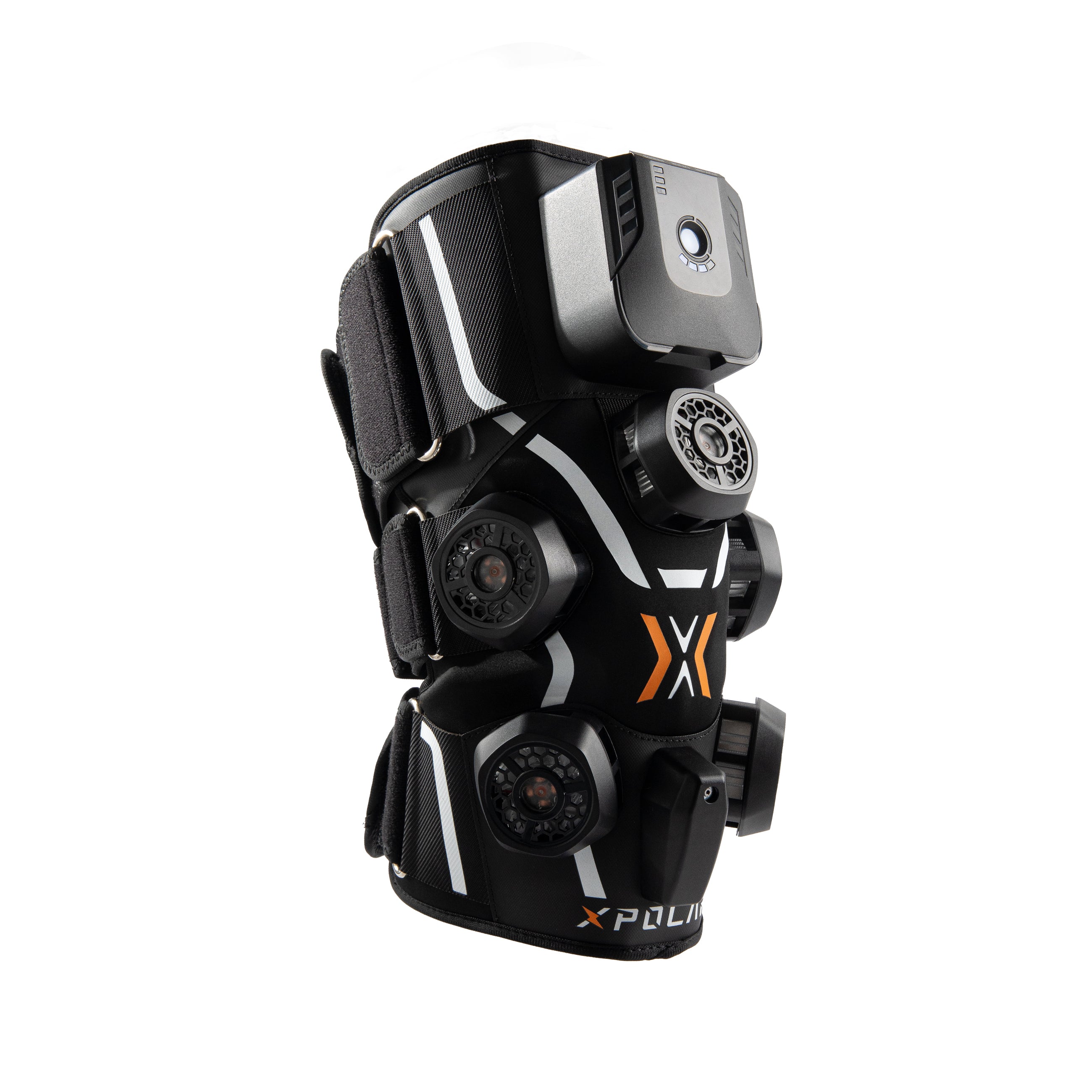
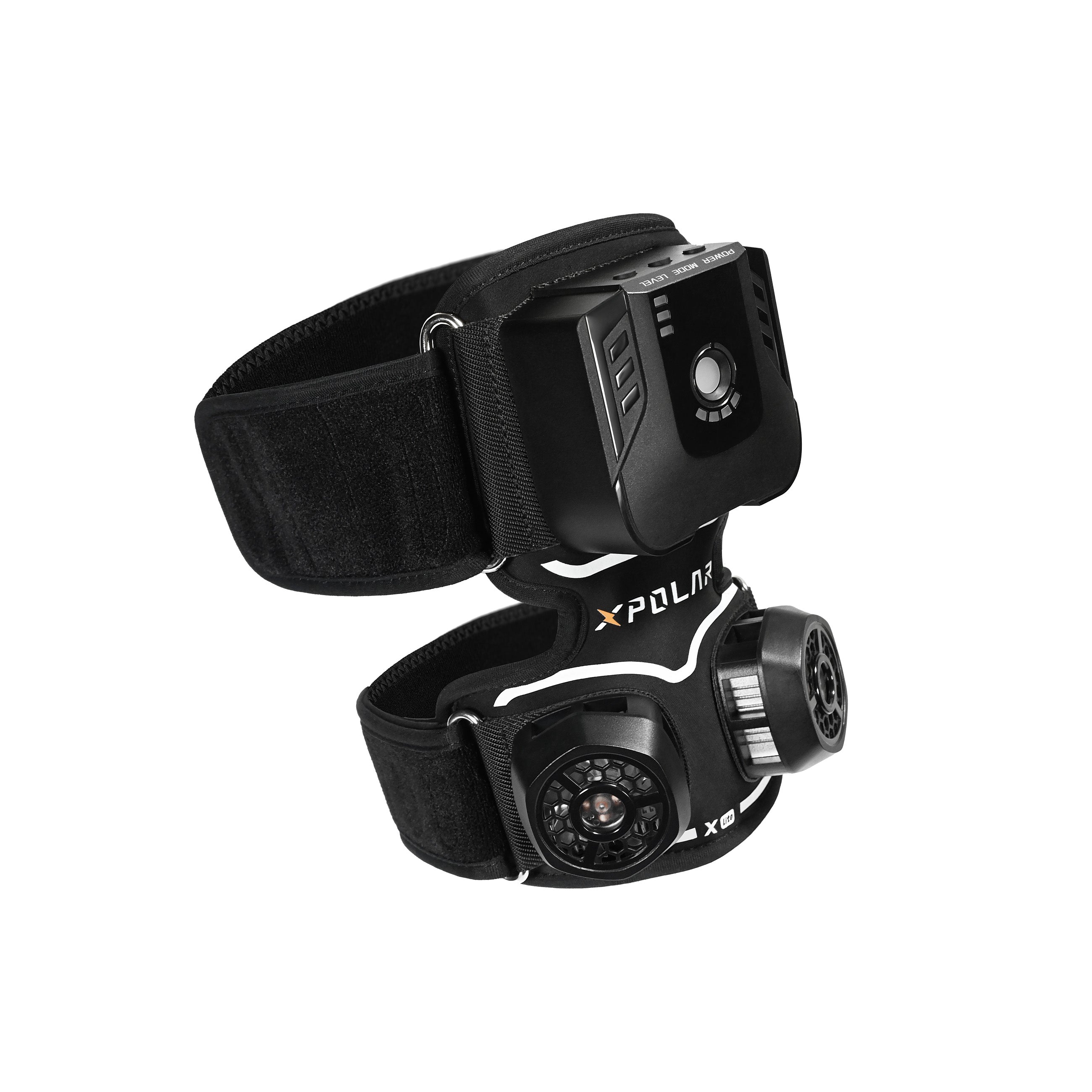
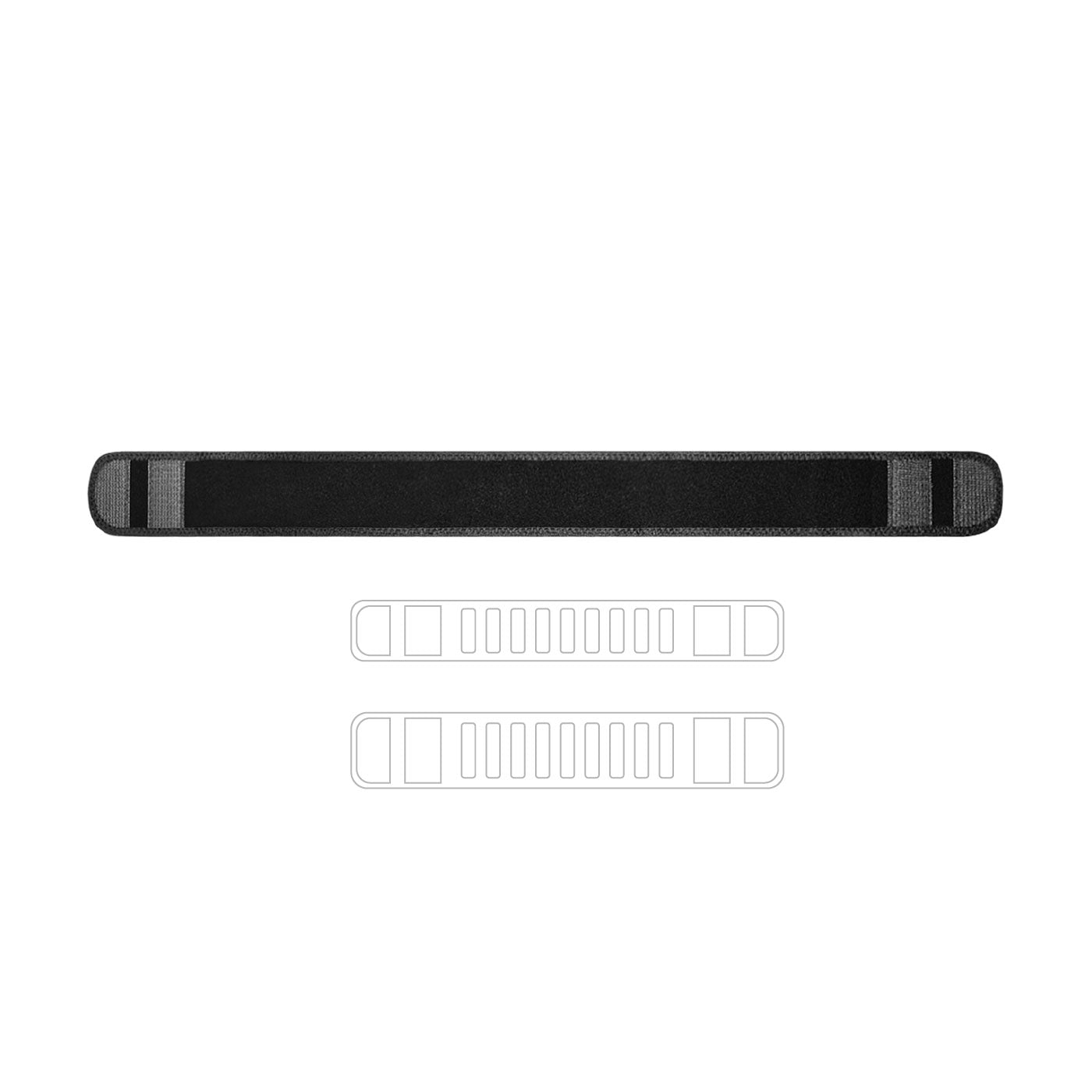
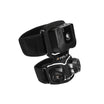
A post-op shoulder can't carry weight. The X Lite is 620g — light enough to sit there without dragging on the repair — and ships with extension straps included.
Cold, heat, and contrast in one cordless unit. Up to 7.5 hours of heat, about 96 minutes of cold. It works in a recliner, which is where you'll be sleeping for a while.
See the XPOLAR X LitePhase by phase
Each phase gives you the goal, a daily schedule, and the lines you don't cross.
PHASE 1
Protect
Weeks 0–6 · Cold only
Protect
| When | Mode | Duration | Why |
|---|---|---|---|
| 30–45 min before you lie down | Cold · Level 2 | 15–20 min | The most important session of the day. Get ahead of night pain instead of reacting to it at 3 a.m. |
| Right after any therapy visit | Cold · Level 2 | 15–20 min | Even passive motion irritates a fresh repair |
| When daytime pain spikes | Cold · Level 2 | 15–20 min · 1 hr gap | Keeping pain off its peak is what keeps medication use going down |
| Neck and upper back ache from the sling | Heat · Level 1 — neck only | 10–15 min | Weeks of lopsided posture make the neck sore, and that's often what actually wakes you |
Heat increases blood flow while swelling is still resolving, and the skin around the portals is healing. Cold only until your incisions are closed and your surgeon clears heat.
Cuff repairs are usually done with an interscalene block that can keep the arm numb for 12–24 hours or longer. No cold therapy until normal feeling has fully returned. You cannot feel a cold injury on numb skin.
- Don't push yourself up out of a chair, bed, or car seat with that arm.
- Don't lift the arm against gravity — no reaching for a shelf, no carrying a bag, however light.
- Don't reach behind your back unless your protocol includes it.
- Don't sleep with the device on. Sessions are timed, and you need to be awake.
PHASE 2
Motion
Weeks 6–12 · Heat enters
Motion
| When | Mode | Duration | Why |
|---|---|---|---|
| Before therapy or home motion work | Heat · Level 1–2 | 10–15 min | A capsule immobilised for six weeks moves better warm |
| Within 30 min after motion work | Cold · Level 2 | 15–20 min | Stops a productive session from costing you the night |
| Before bed | Cold · Level 2 | 15–20 min | Night pain improves through this phase but rarely vanishes at week six |
| Stiff first thing in the morning | Heat · Level 1 | 10–15 min | Makes the first hour of the day usable |
Two conditions, both required: incisions fully closed with no scabbing or drainage, and your surgeon has said heat is fine. Until then, cold only.
- Stiffness is normal. Worsening pain isn't. Report pain that climbs week over week.
- Don't chase range with force. Nobody has stretched a shoulder into healing faster.
- Ask before driving, carrying, or sleeping on that side. All three return on different timelines.
PHASE 3
Strength
Months 3–6 · Contrast enters
Strength
| When | Mode | Duration | Why |
|---|---|---|---|
| Before a strength session | Heat · Level 2 | 10–15 min | Part of the warm-up, not a substitute for one |
| Within 30 min after loading | Cold · Level 2 | 15–20 min | Keeps next-day soreness from stacking up week after week |
| Rest and recovery days | Contrast | 15–20 min | Clears soreness between sessions without adding load |
| Aching more than 24 hours later | Cold only | 2–3 days | Cut the load, drop back to cold, restart lighter than you finished |
Warm it before, cool it after. Contrast is for the days in between.
PHASE 4
Return
Months 6–12 · Maintain
Return
| When | Mode | Duration | Why |
|---|---|---|---|
| Before training or a work shift | Heat | 10–15 min | Especially before overhead or repetitive work, and on cold mornings |
| After training or a demanding shift | Cold | 15–20 min | Keeps you available tomorrow |
| Two sessions in one day | Contrast | 15–20 min | Fastest way to make a tired shoulder workable again |
| Ongoing, 2–3 times per week | Contrast or Cold | 15–20 min | A repaired cuff stays a shoulder that needs managing |
Shoulders feel recovered well before they are. Overhead athletes and heavy manual workers are usually last to be cleared, and clearance should come from testing — not the calendar.
How to actually sleep after this surgery
Set the position up before you're tired — not at two in the morning.
- Sleep semi-reclined, 30–45°. A recliner is easiest. In a bed, build a wedge behind your back and under your knees so you don't slide down.
- Support under the elbow. Stops the arm falling backwards behind your body, which pulls on the repair and wakes you up.
- A small pillow in the armpit. Holds the arm in the position the sling is designed for, so nothing is stretched while you're asleep.
- Back, or the non-operated side. If you turn, hug a pillow so the arm rests on it.
- Cold 30–45 min before you lie down — not once you're already awake and hurting.
- Keep the sling on at night for as long as you're told to. Taking it off early is your surgeon's call, not a bad night's.
Same operation name, very different timelines
Three details change how long your sling stays on and how fast you progress.
Tear size
Small and medium tears progress faster and tolerate earlier motion. Large and massive tears mean a longer sling, slower progression, and higher retear risk if motion is pushed early.
Biceps tenodesis
Often done at the same time. Expect soreness at the front of the upper arm and restrictions on bending the elbow against resistance for several weeks.
Subacromial decompression
Bone shaved from under the acromion to make room for the tendon. Adds soft-tissue soreness across the top of the shoulder without changing the repair timeline.
Four rules that don't bend
- No cold while any numbness remains from your nerve block. Numb skin cannot warn you about a cold injury.
- Never on an open, weeping, or scabbed incision. Over intact dressing or fully closed skin only, always with fabric in between.
- Never wear it to sleep. Sessions are 15–20 minutes and you need to be awake to end them.
- Never lift, push, or pull with that arm in Phase 1 — including catching yourself if you stumble.

Cold, heat, and contrast in one wrap
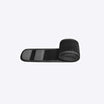
Three levels of cold from 32–59°F and heat from 113–122°F, plus automatic contrast cycling. 620g, cordless, usable while charging.
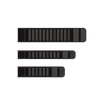
Standard and extension straps in the box — so it fits a shoulder from day one, and a knee, elbow, or ankle later.
Shop the XPOLAR X LiteWhere this comes from
- Optimal Techniques and Rehabilitation Protocols for Rotator Cuff Repair: A Literature Review. PMC12537514
- Early Versus Delayed Passive Range of Motion After Rotator Cuff Repair: A Systematic Review and Meta-analysis. Am J Sports Med. PMID 25296646
- Early versus delayed mobilization following rotator cuff repair. PMC6382997
- Improvement of Sleep Disturbance After Rotator Cuff Repair Occurs at 3 Months. Orthop J Sports Med, 2025. PMC12712297
- Sleep disturbances in rotator cuff pathology: insights into mechanisms and clinical implications. PMC11615470
- How patients sleep after rotator cuff repair: a prospective analysis of pain, position, and recovery. PMID 41720245