

Your Recovery Plan After ACL Reconstruction
From the first week after surgery to your first game back — how to use cold, heat, compression, and contrast therapy across all four phases of a 9-to-12-month return.

These windows are typical, not fixed. Your surgeon and physical therapist decide when you move forward — this guide shows you what to do inside whichever phase you're in.
The thing that decides your outcome isn't the graft. It's the quad.
Your surgeon's work is done the day you leave the hospital. What's left is a nine-to-twelve-month project, and almost all of it comes down to one muscle.
A swollen knee switches your quadriceps off — and you can't strengthen a muscle you can't fully turn on.
When there's fluid and inflammation inside the joint, the nerves in and around the knee send signals that make your nervous system reduce how much of the quadriceps it will activate. Clinicians call this arthrogenic muscle inhibition, or AMI. It's not ordinary weakness and it's not a motivation problem — the muscle is physically there, but your body won't let you recruit all of it.
This is why quad strength deficits are still measurable in a lot of athletes nine months after surgery, and why weak quads are one of the strongest predictors of a second ACL injury. Every phase below is built around the same idea: control the swelling, and the quad comes back faster.
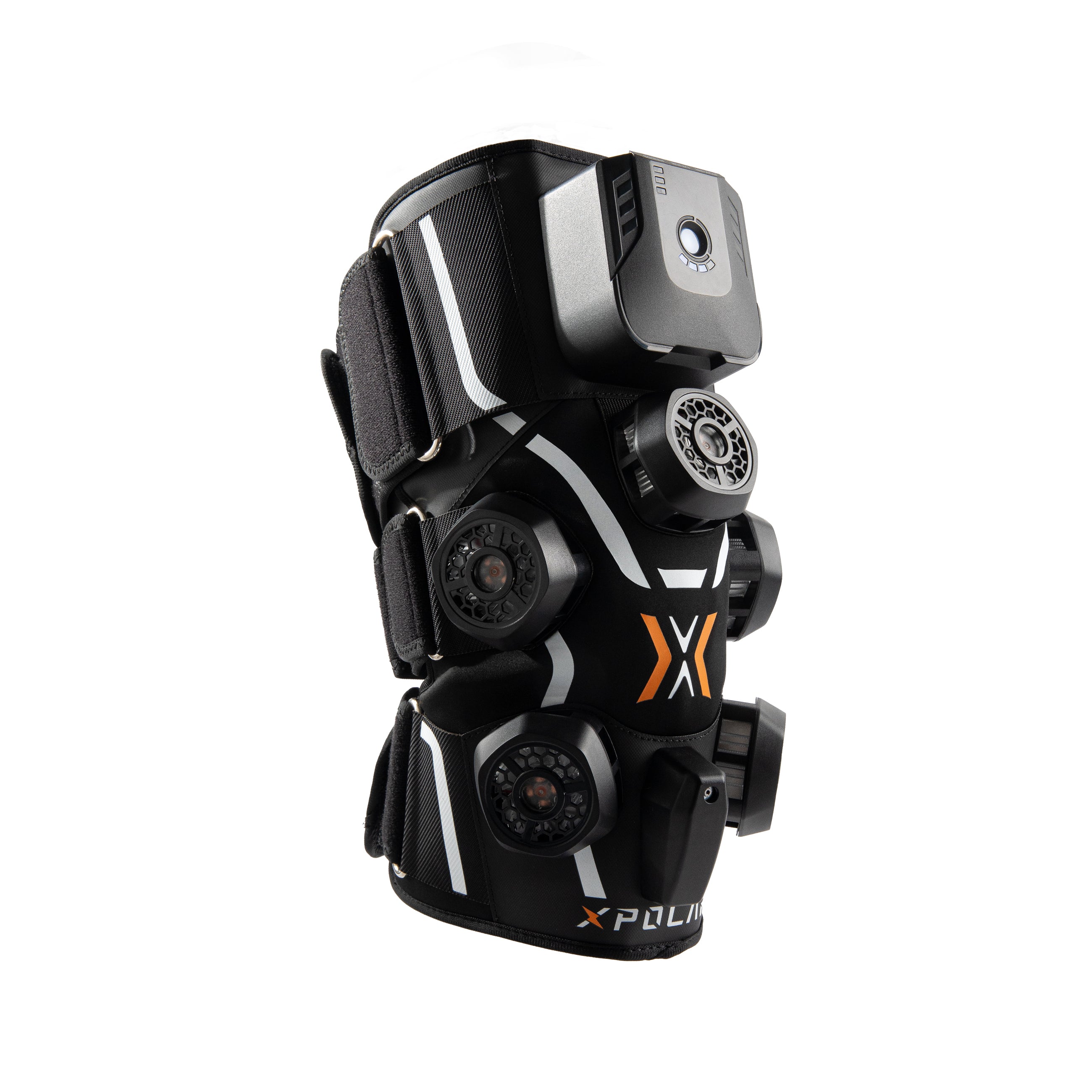
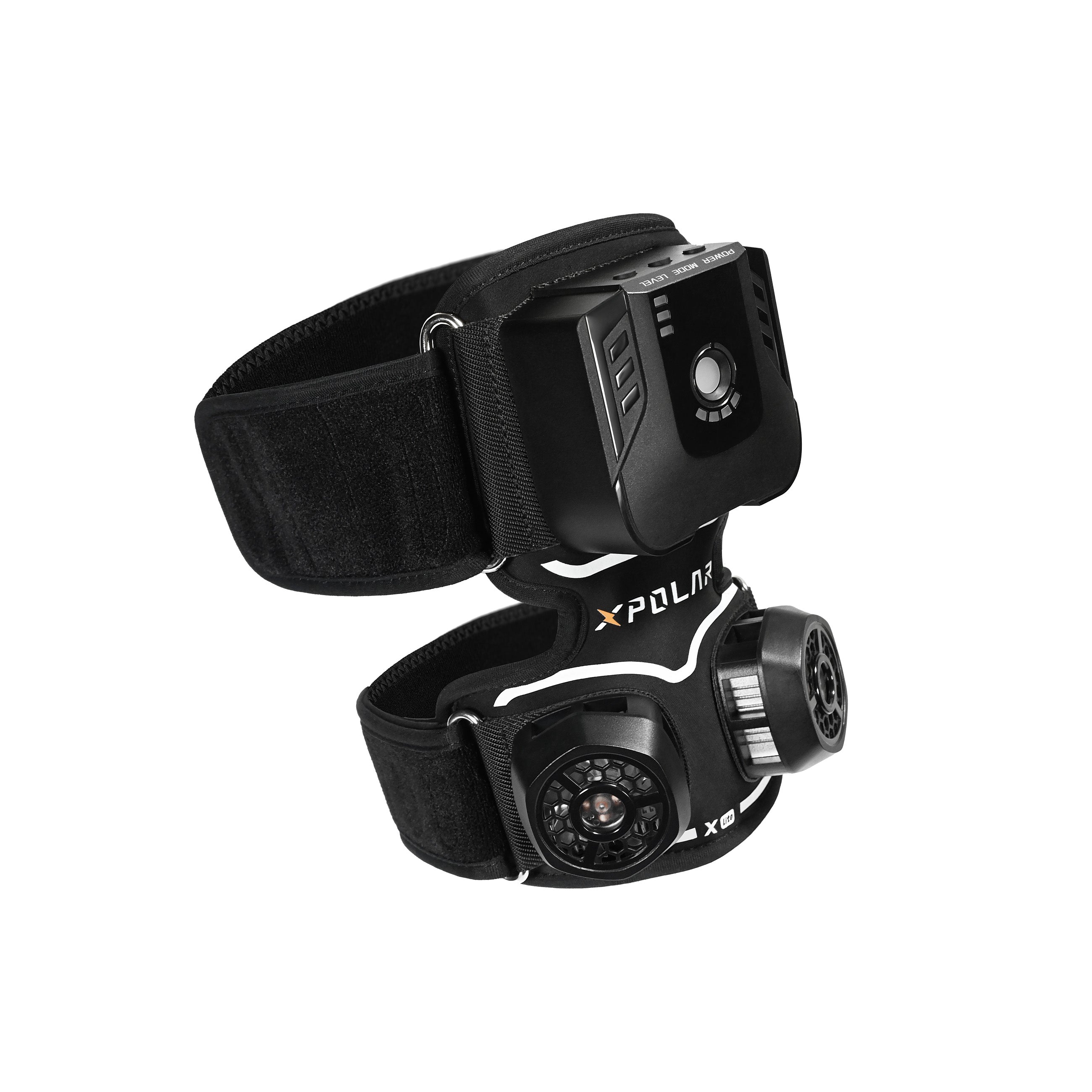
There are two levers you control at home between physical therapy sessions — how much fluid stays in the joint, and how the knee feels going into a training session. That's exactly what the four modes on the X2 are for.
Four tools, four different jobs
Not "features" — problems. Here is the specific job each mode does during an ACL recovery.
Brings swelling and pain down so you can move and train
Cooling the joint reduces pain and slows the inflammatory response that keeps fluid in the knee. Less fluid in the joint means less inhibition on the quad — which is why cold sessions early on are about far more than comfort.
Physically moves fluid out of the joint
Cold slows new swelling from forming. Compression moves the swelling that's already there. Rhythmic pressure cycles help push fluid out of the knee and back into the lymphatic system, which is why the two together outperform either one alone.
Makes a stiff knee easier to bend before you train
Once the swelling has settled, stiffness becomes the limiter. Warming the tissue before a rehab session increases blood flow and makes the joint capsule and surrounding muscle more willing to lengthen — so you get more out of your range-of-motion work.
Flushes out a knee that's sore and heavy after hard training
Alternating cold and heat makes blood vessels constrict and dilate in cycles — a pumping effect that moves fluid and metabolic waste through the tissue. This is a recovery-day and post-training tool, not something for a freshly swollen knee.
Phase by phase
Each phase below gives you the goal, a daily schedule, and the mistakes that cost people months.
Phase 1 · Weeks 0–2
Protect
Protect
| When | Mode | Duration | Why |
|---|---|---|---|
| First thing in the morning | Cold + Compression | 15–20 min | Clears the fluid that pooled overnight, so your first bend of the day isn't your worst |
| Before quad sets and straight-leg raises | Cold | 15–20 min | Cooling the joint can reduce the inhibition on the quad and open a short window where it activates better. Ask your PT whether to use it this way. |
| Right after every PT session | Cold + Compression | 15–20 min | Stops the swelling rebound that follows a hard rehab session |
| Evening, leg elevated above heart | Cold + Compression | 15–20 min | Brings night pain down so you can actually sleep, which is when healing happens |
Heat widens blood vessels, and in the first two weeks that adds to the swelling you're trying to get rid of. Cold and compression only, until your PT confirms the swelling has resolved.
Do not use cold therapy on the leg while a nerve block is still working. You can't feel a cold injury on a numb limb. Wait until normal sensation has fully returned.
- Never put a pillow under your knee. It feels good and it's the single most common way people end up with a permanent extension deficit. Prop the heel, not the knee.
- Don't skip a session because the knee feels fine today. Swelling in this phase is a moving target — staying ahead of it is easier than chasing it.
- Don't sleep with the device on. Every session is timed and supervised by you being awake.
Phase 2 · Weeks 2–12
Rebuild
Rebuild
| When | Mode | Duration | Why |
|---|---|---|---|
| Before a rehab or gym session | Heat | 10–15 min | Warms stiff tissue so your bending and extension work goes further. Only once swelling has resolved — check with your PT before you start using heat. |
| Within 30 minutes after training | Cold + Compression | 15–20 min | Keeps a hard session from turning into two days of swelling |
| Rest days, or a heavy stiff day | Contrast | 15–20 min | Flushes the joint when it's sore and tight rather than actively swollen |
| Donor site pain (front of knee or hamstring) | Heat before · Cold after | 10–20 min | Graft harvest sites stay tender for months and respond well to being warmed before load and cooled after |
The test isn't a date on a calendar. Compare both knees side by side: if the operated knee still looks visibly fuller, still feels warm to the touch, or still puffs up after every session, you're not there yet. Stay on cold and compression and re-check in a week.
- Full extension still comes first. If your operated knee doesn't lock out as straight as your other one by around week 6, tell your surgeon.
- Swelling is your feedback signal. A knee that swells after every session is telling you the load was too high, not that you're tough.
- Use compression on travel days. Long drives and flights are when the knee quietly refills.
Phase 3 · Months 3–6
Load
Load
| When | Mode | Duration | Why |
|---|---|---|---|
| 20–30 min before running or plyometrics | Heat + Compression | 10–15 min | Gets the knee moving freely before it has to absorb impact |
| Within 30 minutes after running or jumping | Cold + Compression | 15–20 min | Impact loading is the most reliable way to bring swelling back at this stage |
| Rest and recovery days | Contrast | 15–20 min | Clears accumulated soreness between hard sessions |
| Any session that leaves the knee visibly swollen | Cold + Compression only | 2–3 days | Drop back to cold, cut the load, and don't reintroduce heat or contrast until the knee looks like the other one again |
Warm it before, cool it after. Heat prepares a knee to work. Cold cleans up after the work is done. If you only remember one line from this page, that's the one.
Phase 4 · Months 6–12
Return
Return
| When | Mode | Duration | Why |
|---|---|---|---|
| Before training or a game | Heat | 10–15 min | Part of your warm-up, not a replacement for it |
| After training or a game | Cold + Compression | 15–20 min | Keeps you available for the next session instead of managing a swollen knee for two days |
| Between two sessions in one day, or tournament days | Contrast | 15–20 min | Fastest way to make a tired knee feel fresh again before you go back out |
| Ongoing, 2–3 times per week | Contrast or Cold | 15–20 min | Maintenance. A reconstructed knee stays a knee that needs managing. |
Feeling ready and being ready are different things. Most published return-to-sport criteria ask for at least 9 months post-surgery plus around 90% strength and hop symmetry compared to your other leg, and studies consistently find that only a small fraction of athletes actually meet all of them at 9 months. Returning early is one of the clearest risk factors for tearing it again. Get tested, don't guess.
Same surgery name, different sore spot
Where your graft came from changes what hurts and for how long. The protocol above doesn't change — but where you place the wrap sometimes does.
Patellar tendon (BTB)
Expect anterior knee pain and real difficulty kneeling for six months or more. Warm the front of the knee before loading and cool it after; kneeling tolerance comes back slowly and doesn't respond to pushing through it.
Hamstring
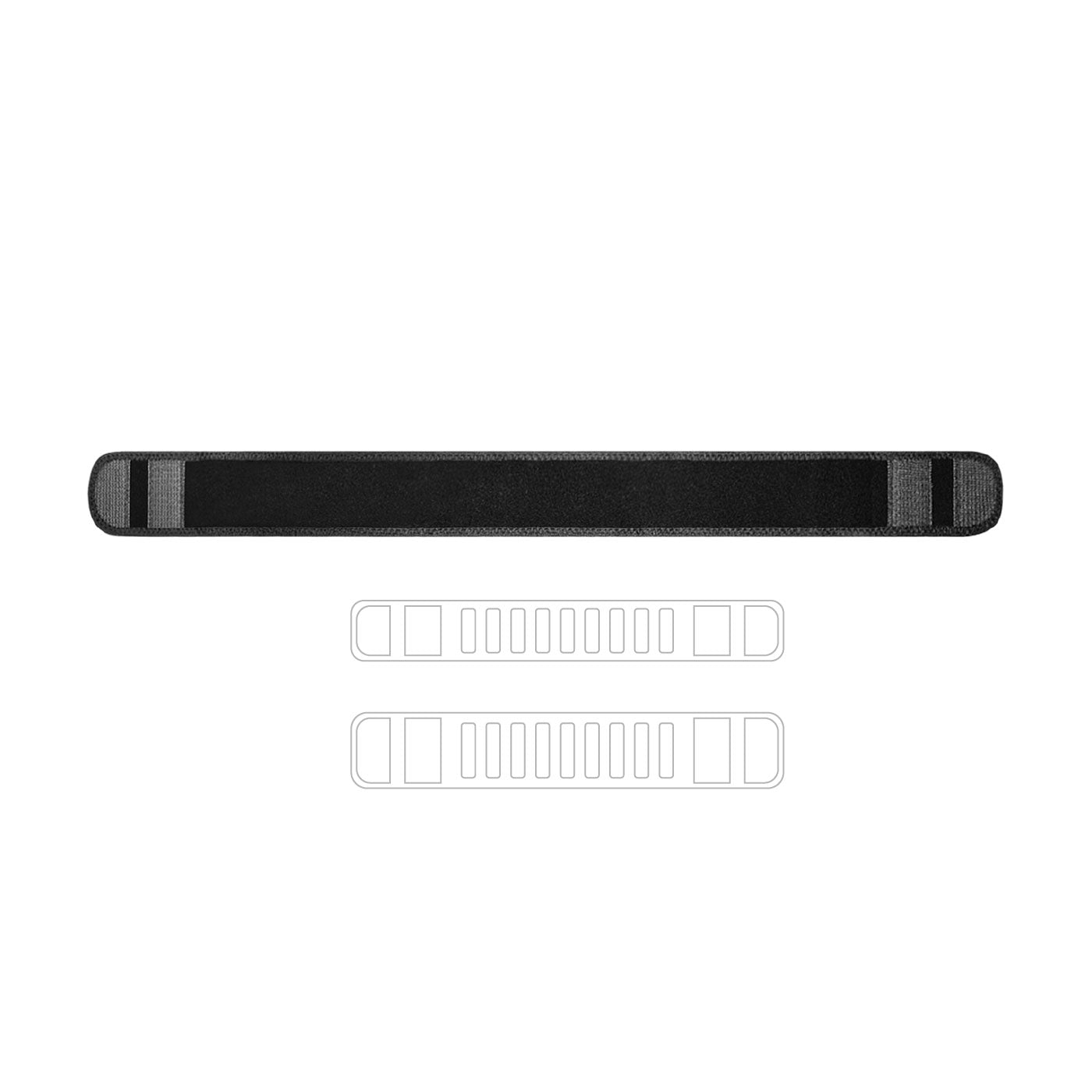
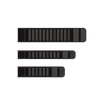
Less front-of-knee pain, but hamstring strength takes longer to return and the back of the thigh stays tender. The extension straps let you wrap the hamstring itself rather than only the knee.
Quadriceps tendon
Quad activation is often slower in the first weeks, which makes Phase 1 swelling control matter even more. Anterior soreness is common; treat it the same way as a BTB knee.
Temperature, and why the numbers matter
Clinical cold therapy units used in hospitals typically work in the 40–50°F range — cold enough to reduce inflammation, not so cold it damages skin or numbs the leg to the point where you can't tell something is wrong. The X2 covers that range and holds it.
Contrast mode alternates cold and heat automatically in roughly three-minute blocks, starting and ending on cold. You don't set anything — you just run the session.
Stop and call your surgeon if
- Calf pain, tightness, or swelling — especially in one leg only. This needs same-day medical attention.
- Fever, chills, or drainage from the incision, or the wound becoming increasingly red and warm.
- Sudden loss of full extension after you'd already regained it, or a hard block at the end of straightening.
- The knee giving way or feeling like it shifts under you.
- Rapid swelling with no obvious cause, or swelling that doesn't settle within 48 hours of backing off.
- Numbness or skin changes after a cold session that don't resolve within an hour.

XPOLAR X2 — all four modes in one wrap
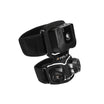
Cold from 32–50°F, heat from 104–122°F, three levels of air compression, and automatic contrast cycling — controlled from your phone, with no ice, no water changes, and no swapping equipment mid-session. Extension straps let the same unit treat the hamstring, quad, shoulder, or back.
Shop the XPOLAR X2Where this comes from
- Contemporary Principles for Postoperative Rehabilitation and Return to Sport for Athletes Undergoing Anterior Cruciate Ligament Reconstruction. Arthroscopy, Sports Medicine, and Rehabilitation, 2022. PMC8811493
- Return to Sports After Anterior Cruciate Ligament Reconstruction. PMC, 2024. PMC11232915
- Unilateral Quadriceps Strengthening With Disinhibitory Cryotherapy and Quadriceps Symmetry After Anterior Cruciate Ligament Reconstruction. Journal of Athletic Training. PMC5737036
- Low rates of patients meeting return to sport criteria 9 months after anterior cruciate ligament reconstruction: a prospective longitudinal study. PMC6267144
- Arthrogenic muscle inhibition after anterior cruciate ligament injury: injured and uninjured limb recovery over time. PMC10072230