

The Real Reason Your Knee Pain Keeps Coming Back — And the 40-Year Sports Medicine Breakthrough That's Finally Changing That
Doctors have been treating knee pain the wrong way for decades. Ice packs, ibuprofen, knee braces, cortisone shots — they all help you get through the day, but none of them address the root cause. The real solution has been used in professional sports medicine clinics for forty years: precision contrast therapy with dynamic compression. Until recently, you'd need thousands of dollars and dozens of clinic visits to access it. Now, a device the size of your palm does the same thing in 15 minutes — at home.

For millions of women over 50, chronic knee pain has slowly, quietly taken over — stealing the activities that make life feel full, one at a time.
You've tried the ibuprofen. The ice packs. The knee sleeves you bought at the pharmacy. Maybe you've done the physio, gotten the cortisone shot, tried the supplements everyone swears by. They helped — for a little while. Two weeks. Maybe a month.
Then the pain crept back. The morning stiffness returned. Getting up from the couch started requiring a strategy again.
Here's the uncomfortable truth: most of those treatments are designed to manage your pain. Not fix it. Not heal it. They suppress signals, numb nerves, temporarily reduce swelling — but they never address what's actually happening inside your knee: thinning cartilage, inflamed synovial tissue, and a chronic inflammation cycle that keeps burning long after the pills wear off.
Why Everything You've Tried Has Only Worked Temporarily
Let's use a simple analogy:
Taking ibuprofen for knee pain is like pulling the battery out of a smoke alarm. The alarm stops. The fire keeps burning.
And another:
Imagine your knee is a burning building. Most treatments stand outside and spray water through the window. They cool things down temporarily. But the fire — the inflammation loop deep inside the joint tissue — is still burning.
Let's go through what you've probably tried, one by one:
Knee brace or sleeve: mechanically offloads the joint. Doesn't touch cartilage degeneration or synovial inflammation.
Ice packs: constrict surface blood vessels, temporarily reduce swelling. Effect vanishes minutes after you remove the pack.
Ibuprofen / NSAIDs: block prostaglandin synthesis, interrupting pain signals to the brain. Inflammation and tissue degradation continue unchecked.
Cortisone injection: powerful local anti-inflammatory. Wears off in weeks. Repeated injections may accelerate cartilage loss.
Physiotherapy: improves muscle balance and local circulation. Valuable, but cannot reach the inflammatory cascade inside the joint capsule.
Supplements (glucosamine, turmeric): may provide modest systemic support. They don't deliver targeted therapy to the joint itself.
Every single one of these shares the same flaw: not one reaches the actual source — the damaged tissue inside your joint, where cartilage is thinning, where metabolic waste is trapped, where the inflammation cycle never fully shuts down.
That's not a failure of medicine. It's a limitation of physics. Until recently, there was simply no convenient, non-invasive way to deliver therapeutic energy deep enough into joint tissue consistently, at home, every day.
Until sports medicine's best-kept secret got miniaturized.
The Discovery: How 40 Years of Sports Medicine Finally Became Accessible

In the 1960s, sports medicine clinicians noticed something remarkable: athletes recovering from joint injuries healed significantly faster when their rehab alternated between cold and heat — rather than using either modality alone.
This discovery was rooted in a simple physiological mechanism called the vascular pump effect. When you rapidly switch between cold and heat, your blood vessels go through a complete constriction-dilation cycle. Cold drives blood away from the surface, constricting vessels and reducing inflammation. Heat brings it rushing back, dilating vessels and flooding the area with oxygen-rich blood. Repeat this cycle, and you've essentially installed a passive heart for your knee — flushing out inflammatory waste while pumping in fresh nutrients.
Clinical research over the following decades confirmed what the early practitioners suspected: contrast therapy increases localized blood flow by up to 3× during the heat phase, reduces post-exercise creatine kinase levels more effectively than passive recovery, and produces measurable improvements in joint mobility and pain scores for osteoarthritis patients.
But there was a problem. A big one. You needed ice buckets, hot packs, a therapist, and over an hour per session — in a clinic. For a 56-year-old woman whose knees ache just walking to the car, that was never going to be a viable daily routine.
For forty years, the gap between "what works" and "what's accessible" stayed wide open — until semiconductor cooling technology matured enough to fit precise, rapid temperature control into a chip no bigger than your thumb.
How Contrast + Compression Therapy Actually Works — In Plain English
Your body is constantly trying to heal itself. The problem is, when chronic inflammation sets in, your knee's healing engine runs out of fuel.
Here's something most people don't realize: articular cartilage has no direct blood supply. It gets its nutrients through synovial fluid — and that fluid needs movement and pressure change to circulate. When knee pain makes you move less, the nutrient delivery system collapses. The cartilage starves. Inflammation builds. Pain increases. You move even less. It's a vicious, self-reinforcing cycle.
Here's the simplest way to think about it:
Your knee joint is like a clogged sink. Dirty water can't drain, clean water can't flow in. Contrast therapy is the pump — cold and heat create a rhythmic on-off switch across your blood vessels, flushing out the waste and pulling in fresh oxygen and nutrients. The dynamic compression ensures that pump pressure reaches deep — past skin, past fat, past muscle, into the joint itself.
This isn't temporary symptom management. This is supporting your body's actual repair process. That's why results compound over time — and why, for most users who stick with it, the relief lasts rather than cycling back.
Deep cold reaches the joint, shutting down the inflammation switch
XPOLAR X2's solid-state semiconductor cooling drops to 32°F (0°C) within seconds. Cold constricts blood vessels, reduces intra-articular temperature, and suppresses pro-inflammatory cytokines like IL-6 and TNF-α — hitting inflammation at its biochemical source. Studies show consistent cryotherapy reduces knee joint temperature by 6–10°F and slows nerve conduction velocity, providing immediate analgesia.
Rapid heat rebuilds perfusion, delivering repair nutrients
Moments after the cold phase, therapeutic heat at 122°F (50°C) kicks in. Blood vessels dilate dramatically, increasing localized blood flow by 2–4×. Oxygen-rich blood floods the joint capsule and surrounding tissue — delivering the nutrients and oxygen that starving cartilage cells have been missing, sometimes for years.
Dynamic compression drives everything deeper, clearing out metabolic waste
A 4-airbag system delivers up to 250 mmHg of rhythmic pneumatic pressure — acting as an external muscle pump. It amplifies the vascular flushing effect of the cold-heat cycle, ensuring thermal energy penetrates through skin, fat, and muscle to reach the joint. It also accelerates lymphatic drainage, physically flushing inflammatory byproducts and metabolic waste out of the tissue.
Results compound over weeks, breaking the chronic pain cycle
Each 15-minute session is like a deep clean and nutrient delivery for your joint. Unlike a pill that wears off in hours, the effects of consistent daily use accumulate. Most users notice meaningful improvement in morning stiffness and daily mobility within 2–3 weeks. By week 6–8, the difference is typically dramatic. It's not magic — your body was always capable of healing. It just never got the conditions it needed.

The Woman Who Spent Five Years Looking for This

Margaret Collins, 56 — Retired Elementary School Teacher, Portland, Oregon.
Margaret spent 28 years on her feet in a classroom. Bending down to help a child with their reading. Walking the halls between classes. Standing at the whiteboard for hours. She loved her job, and her body held up — until it didn't.
"It started so gradually I barely noticed. Getting up from my desk chair took an extra second. Walking my students to the library, I'd find myself slowing down. I told myself it was just age. Just part of getting older."
By the time she retired at 55, the knee pain had become the organizing principle of her day. She calculated every outing by how much walking it required. Grocery shopping became an expedition. Her beloved garden went untended — kneeling was out of the question, and even standing to prune the roses left her hobbling by evening.
Over five years, Margaret tried everything:
Daily ibuprofen that upset her stomach.
Three different knee braces and compression sleeves.
Physical therapy — "I did every exercise they gave me. Religiously."
Two cortisone injections that each bought her about three weeks of relief.
Glucosamine, turmeric, collagen — "My supplement cabinet looked like a health food store."
Her doctor's advice: "Lose some weight, take it easy, and come back when you're ready to talk about replacement."
"Every treatment helped for a week, maybe two. Then I'd be right back where I started. The worst part was watching my world shrink. I stopped gardening. Stopped walking with my friends. Stopped going to my granddaughter's soccer games because the bleachers were too painful to sit through. I started thinking — this is it. This is what 56 looks like."
— Margaret Collins, 56 · Retired Teacher
"I was terrified of knee replacement surgery. I'd watched my sister go through it — the painful recovery, the months of rehab, and honestly, she still isn't the same. I kept thinking: there has to be something between 'take pills forever' and 'replace the joint.'"
That something came from an unexpected place. Her son-in-law, a physical therapist, mentioned contrast therapy — the cold-heat cycling protocol that had been standard in sports medicine for decades. Professional athletes used it after every game. Post-surgery patients used it to cut their recovery time in half. But it required clinic visits with expensive equipment.
Then he told her about a portable device that delivered the same protocol at home.
"I was skeptical. I'd been disappointed so many times before. But I was also tired of being in pain every single day. I decided to give it one month. Every evening, 15 minutes. If it didn't work, at least I'd know I tried."
Week one: nothing dramatic. Week two: she noticed she hadn't reached for the ibuprofen bottle in three days. Week three: she spent an entire afternoon in her garden — pruning, planting, weeding — and didn't collapse on the couch afterward.
"At week six, I walked the full loop at the Japanese Garden with my daughter. Three miles. I hadn't done that in four years. When we got back to the car, I cried. She cried. It sounds dramatic, but when you've spent years planning your life around pain, getting a piece of your life back feels overwhelming."
Margaret still uses her X2 every evening. She calls it her "knee appointment" — 15 minutes of quiet time while the device does its work. Her garden is thriving again. She's back to weekly walks with her friends.
"I'm not trying to run a marathon. I just want to play with my granddaughter without calculating how much it's going to cost me tomorrow. And now I can."
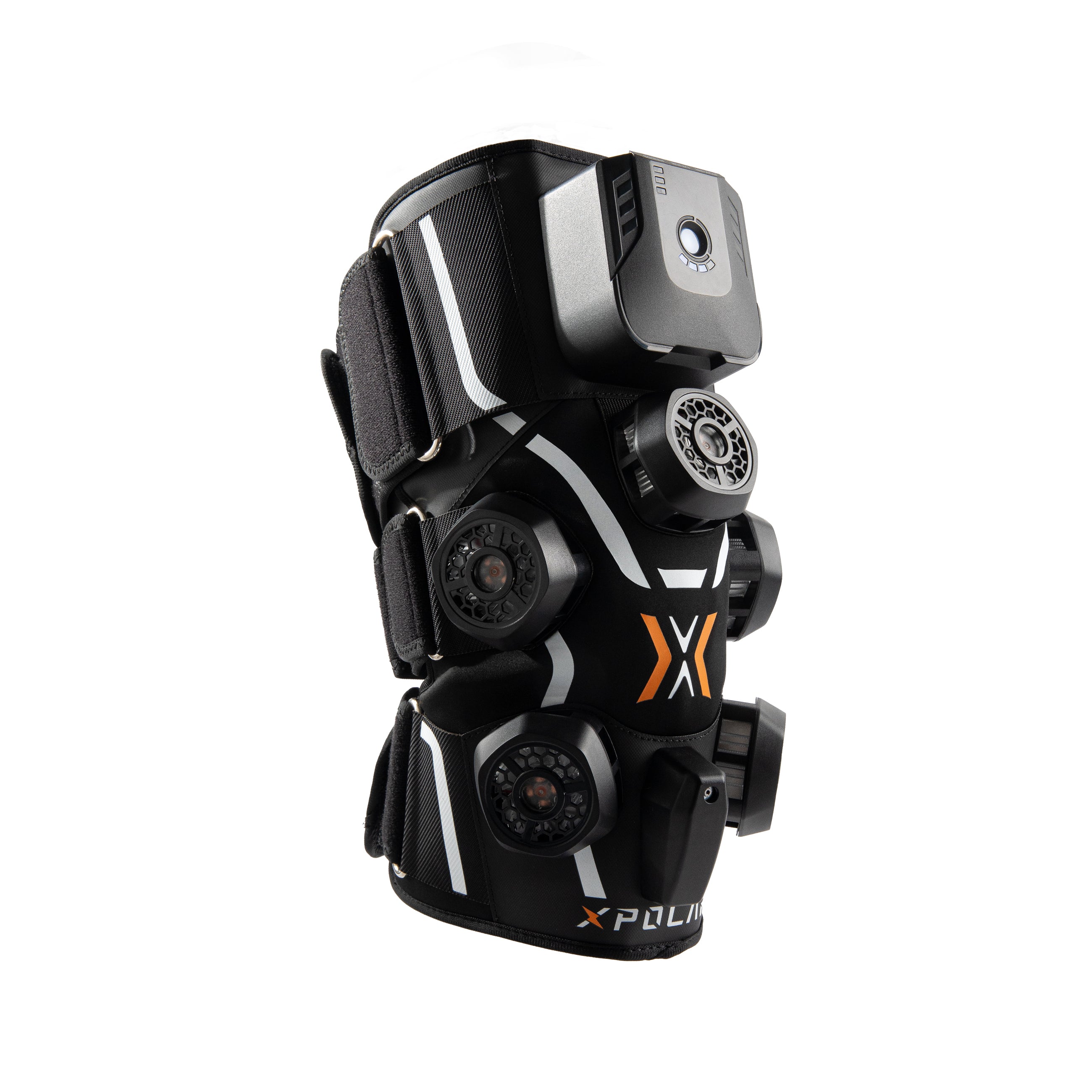
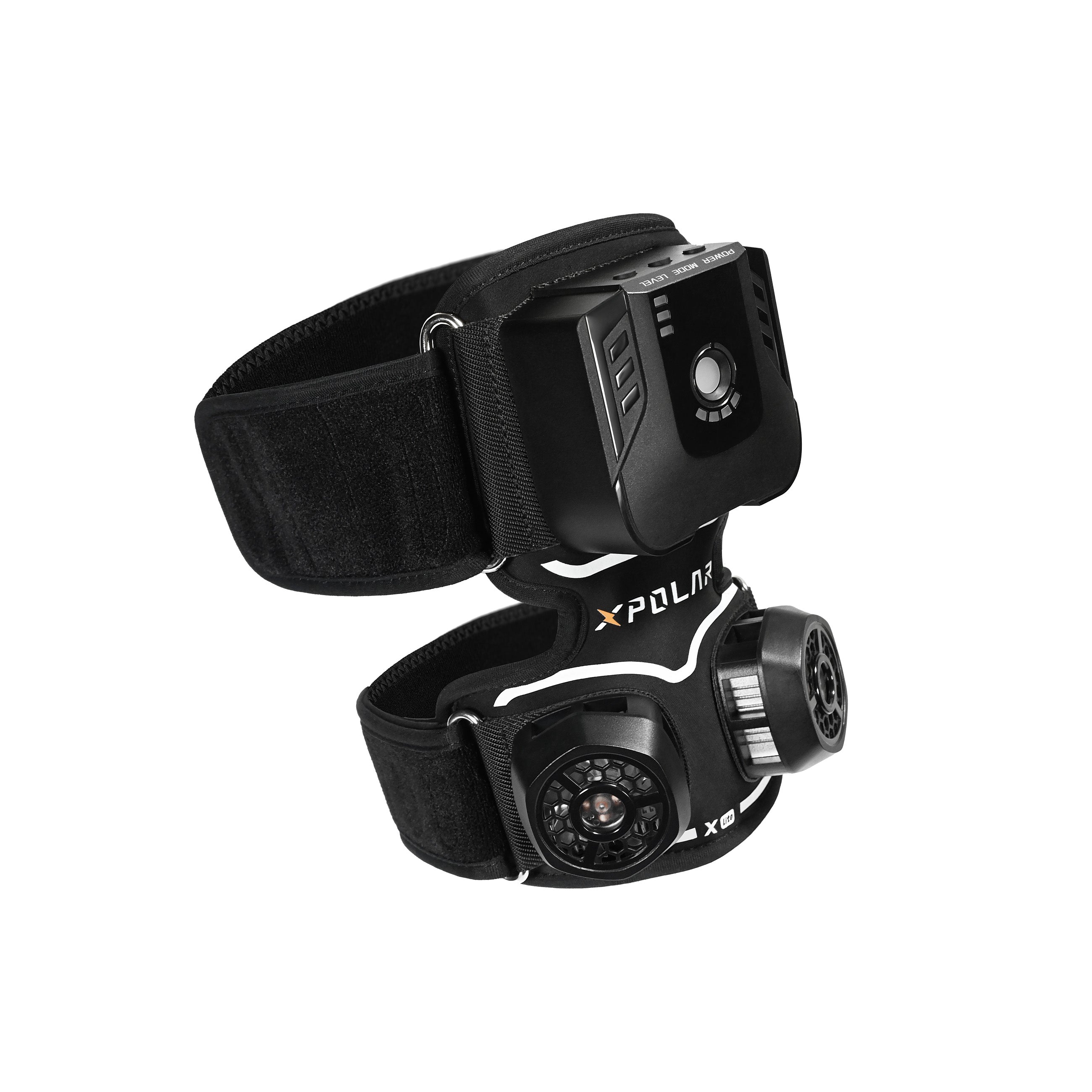
The Device: XPOLAR X2

Medical-grade contrast therapy, engineered to go deep enough to actually work — and simple enough for daily home use.
The market is flooded with single-function gadgets: ice packs that warm up, heat pads that cool down, vibrating massagers that buzz the surface. They feel like they're doing something. They're just not reaching the joint.
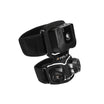
The XPOLAR X2 is built differently because it combines three mechanisms that were always meant to work together:
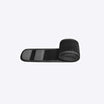
How simple is it? Strap it to your knee, press start, and go about your evening. It runs for 15 minutes — cycling through cold, heat, and compression automatically — then shuts itself off. No ice. No hot water. No gel. No therapist. You can wear it watching TV, reading, knitting, or catching up with your family.
Through the XPOLAR app, you can customize temperature, compression intensity, and therapy mode — from pure cold for acute swelling, to contrast cycling for daily joint maintenance, to pure heat for loosening up stiff knees on chilly mornings. AI-guided protocols recommend the right mode based on your activity level and recovery needs.

Why This Is Different From the Ice Packs and Heating Pads in Your Cabinet
Most of us have an ice pack in the freezer and a heating pad in the closet. These tools give you a sensation — but here's the problem: they only reach the surface.
An ice pack's cold dissipates at skin level. Five minutes in, the tissue one centimeter below your skin hasn't changed temperature at all. A heating pad's warmth follows the same pattern. A vibrating massager shakes your muscles — your joint capsule feels none of it.
The XPOLAR X2 is different at three critical levels:
1. Active semiconductor temperature control, not passive storage. Ice packs warm up. Hot packs cool down. The X2's solid-state chip actively maintains target temperature — 32°F cooling stays at 32°F. 122°F heating stays at 122°F. No fade.
2. Alternating cold-heat cycling, not single-temperature. Cold alone or heat alone can't trigger the vascular pump. The X2's automated cold → heat → cold cycling is the exact protocol sports medicine has relied on for forty years.
3. Dynamic compression drives everything deep. Without pneumatic pressure, temperature energy mostly stays at the surface. Up to 250 mmHg of rhythmic compression pushes the therapeutic effect through skin, fat, and muscle — into the joint.
| Treatment | Reaches deep joint tissue? | What it actually does |
|---|---|---|
| Ibuprofen / NSAIDs | ✗ | Blocks pain signals only. Inflammation continues. Can irritate stomach lining with long-term use. |
| Ice pack / heating pad | ✗ | Surface temperature only. Fades within minutes. No sustained therapeutic effect. |
| Knee brace / sleeve | ✗ | Mechanical support. No healing mechanism. May weaken supporting muscles over time. |
| Cortisone injection | ✗ | Temporary suppression of inflammation. Wears off in weeks. Repeated use may degrade cartilage. |
| Supplements (glucosamine, etc.) | ✗ | Systemic, not targeted. Modest support at best. No direct mechanism for joint-level repair. |
| XPOLAR X2 | ✓ | Cold-heat cycling + pneumatic compression penetrates to the joint. Supports tissue repair. Cumulative improvement. Designed for 50+ knee pain. |
What Real Users Report
"Three weeks in, I got out of bed and walked to the kitchen before I realized — I wasn't limping. I wasn't bracing myself on the furniture. I just… walked. You don't realize how much you've been compensating until the compensation stops being necessary."
Susan D., 63 Verified Purchase · Knee OA · 3 months
"I'd been told to stop my long walks — the swelling was too much, my doctor said. Two months with the X2 and I'm back to walking 8,000 steps a day. The swelling is gone. My knees feel warm and loose instead of stiff and angry. I actually look forward to my evening session — it's become my self-care ritual."
Linda P., 58 Verified Purchase · Chronic swelling · 2 months
"I had a torn meniscus and was honestly terrified of surgery at my age. My physical therapist recommended trying contrast therapy first. After 10 weeks with the X2, my follow-up showed enough improvement that my orthopedist said we could keep monitoring instead of scheduling the operation. I almost didn't believe him. That was six months ago and I'm still going strong."
Patricia M., 61 Verified Purchase · Meniscus tear · 6 months

What Most Users Experience — A Realistic Timeline:
Let's be upfront: this isn't a pill that works in 20 minutes. You're triggering a biological process that takes time to accumulate. For every woman who stays consistent, the question isn't whether it works. It's whether you'll give your body the chance to prove it.
Real Questions from Real Knee-Pain Sufferers
Answers sourced from sports medicine literature and 20+ peer-reviewed studies on cryotherapy, thermotherapy, contrast therapy, and intermittent pneumatic compression.*

Give Your Knees a Real Chance to Heal
The XPOLAR X2 brings the cold-heat cycling protocol that professional sports medicine has relied on for forty years into a device you can use every day — at home, in just 15 minutes. No ice buckets. No heating pads. No clinic visits. No pills that upset your stomach. Just strap it on, press start, and let your body do what it was always capable of doing.
Learn More →1-Year Warranty · Wireless & Portable · 15-Minute Automated Sessions
* Referenced studies: Brosseau et al. (2003) Thermotherapy for treatment of osteoarthritis — Cochrane Review; Bleakley et al. (2012) Cold-water immersion for preventing and treating muscle soreness after exercise — Cochrane Review; Malanga et al. (2015) Mechanisms and efficacy of heat and cold therapies for musculoskeletal injury; Colantuono et al. (2023) Contrast with compression therapy enhances muscle function recovery; Tomchuk et al. (2010) Effects of cold modality application with static and intermittent pneumatic compression on tissue temperature; Quesnot & Mouchel (2024) RCT of compressive cryotherapy vs standard cryotherapy after TKA. These are independent academic studies and do not represent direct clinical validation of XPOLAR products. Individual results vary by age, condition severity, and consistency of use.