

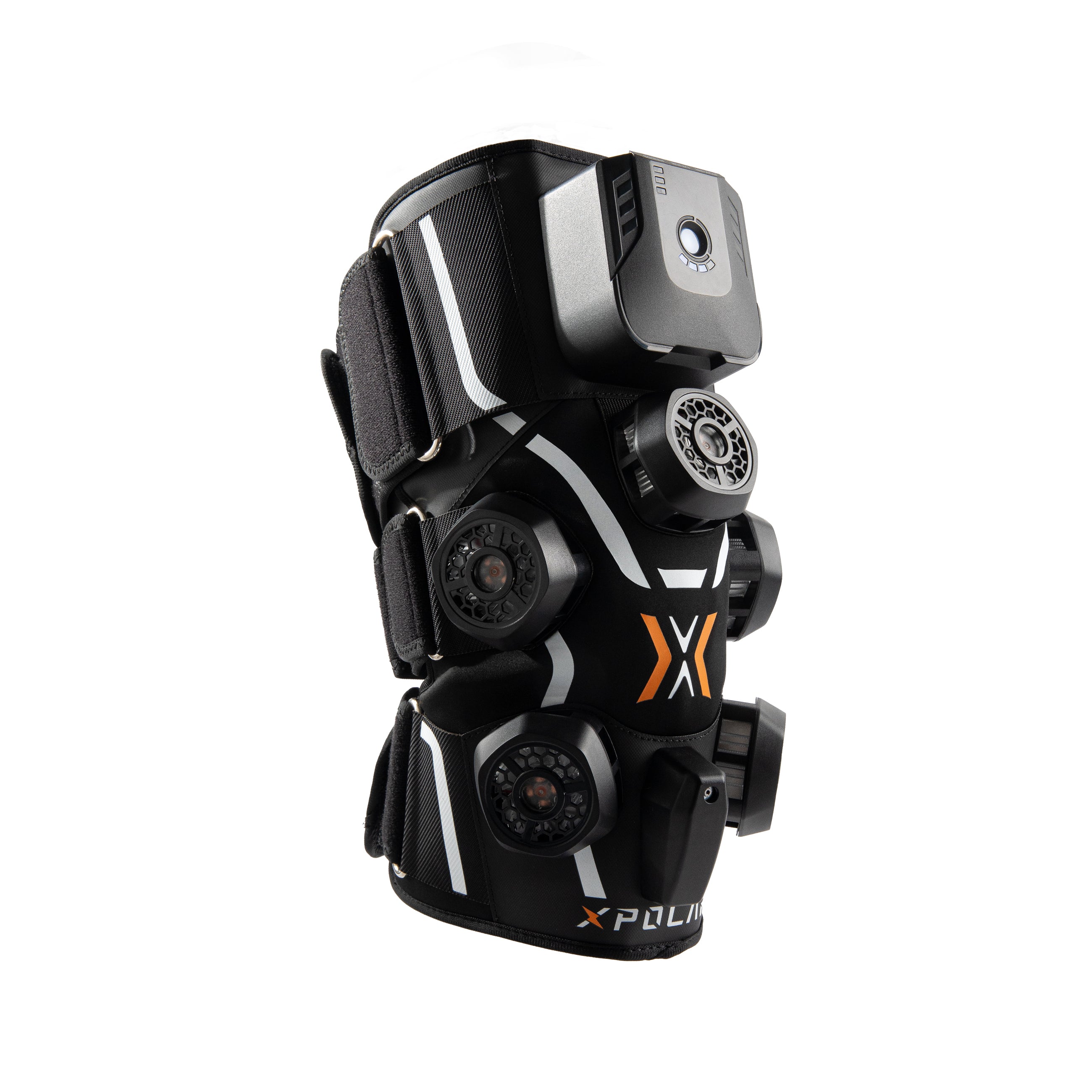
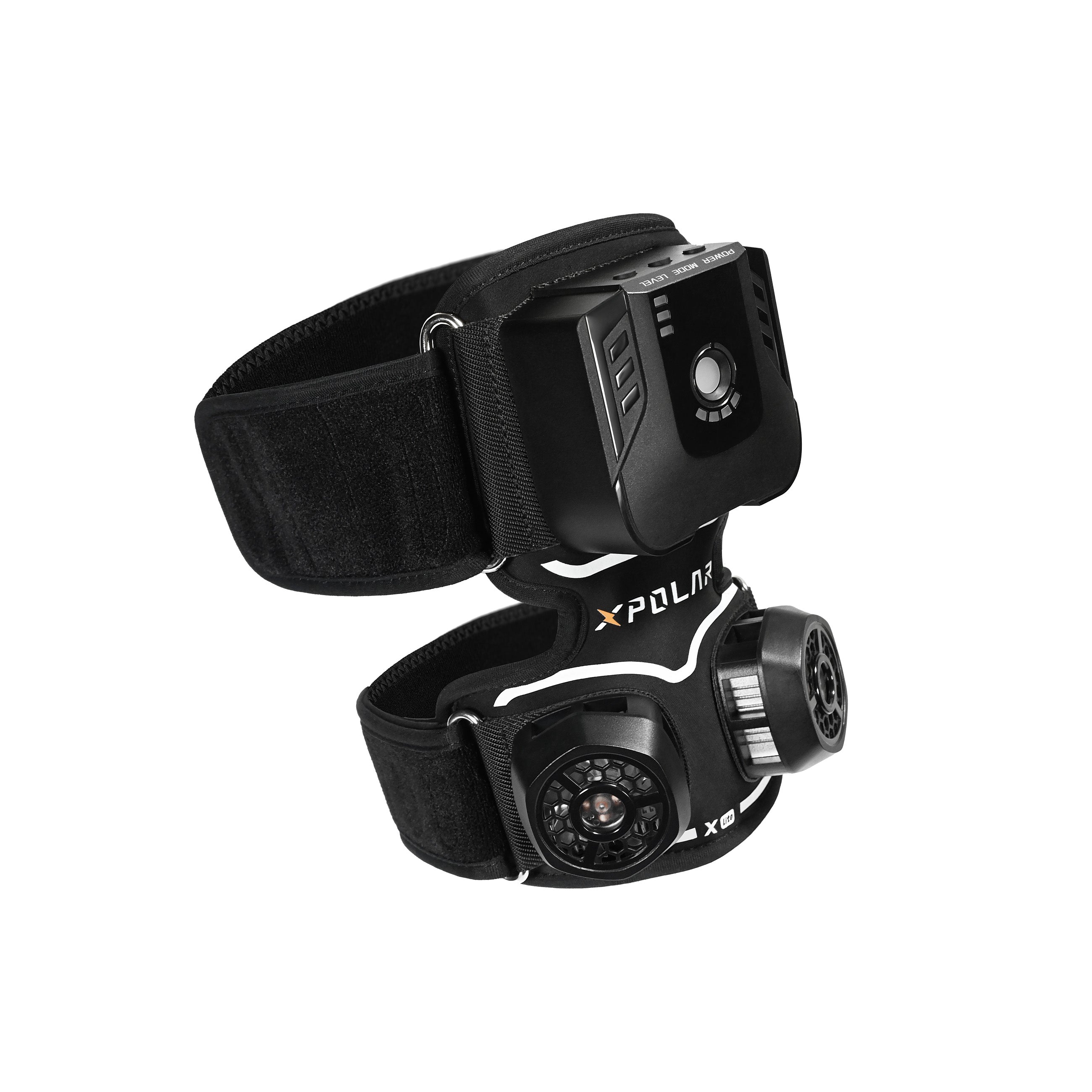
How It Works

Science Behind The Contrast&Compression Therapy

Vascular Pumping Effect

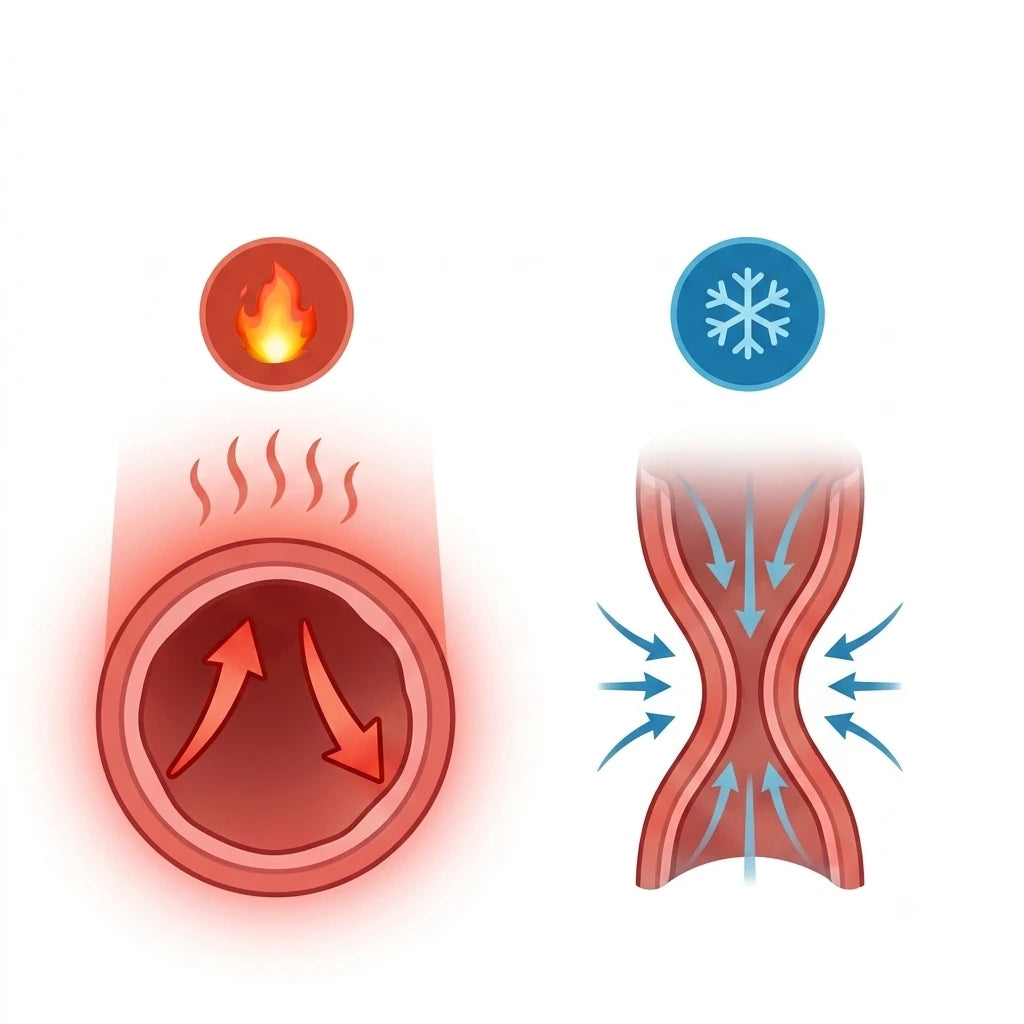
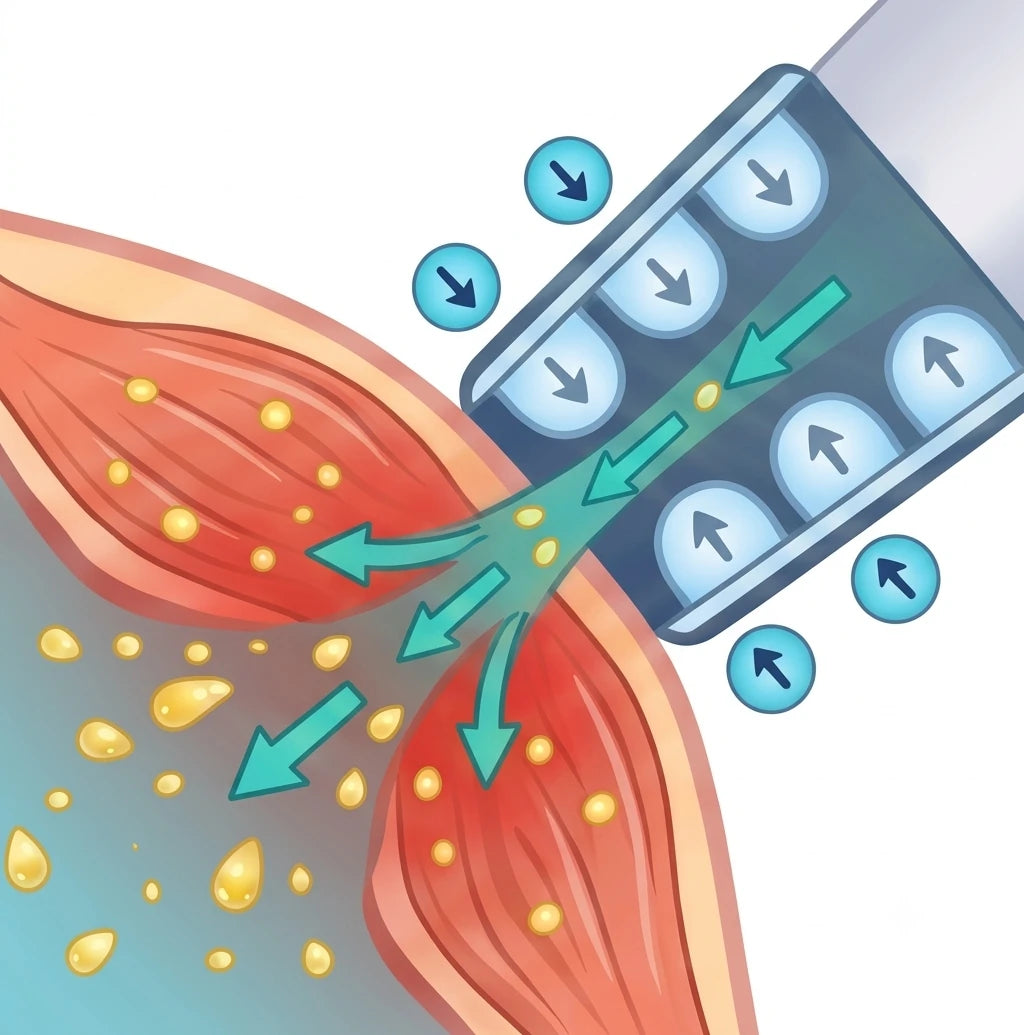
Alternating hot and cold exposure induces rapid vasodilation and vasoconstriction of blood vessels within the affected area. This reciprocal action functions as a mechanical "pump," significantly enhancing the circulation of both blood and lymphatic fluid.

Lymphatic Drainage & Edema Elimination

The integration of external compression with the vascular pumping effect dramatically accelerates lymphatic return. This synergistic action expedites the clearance of accumulated interstitial edema and metabolic waste from the tissue spaces.

Neurological Control & Analgesia

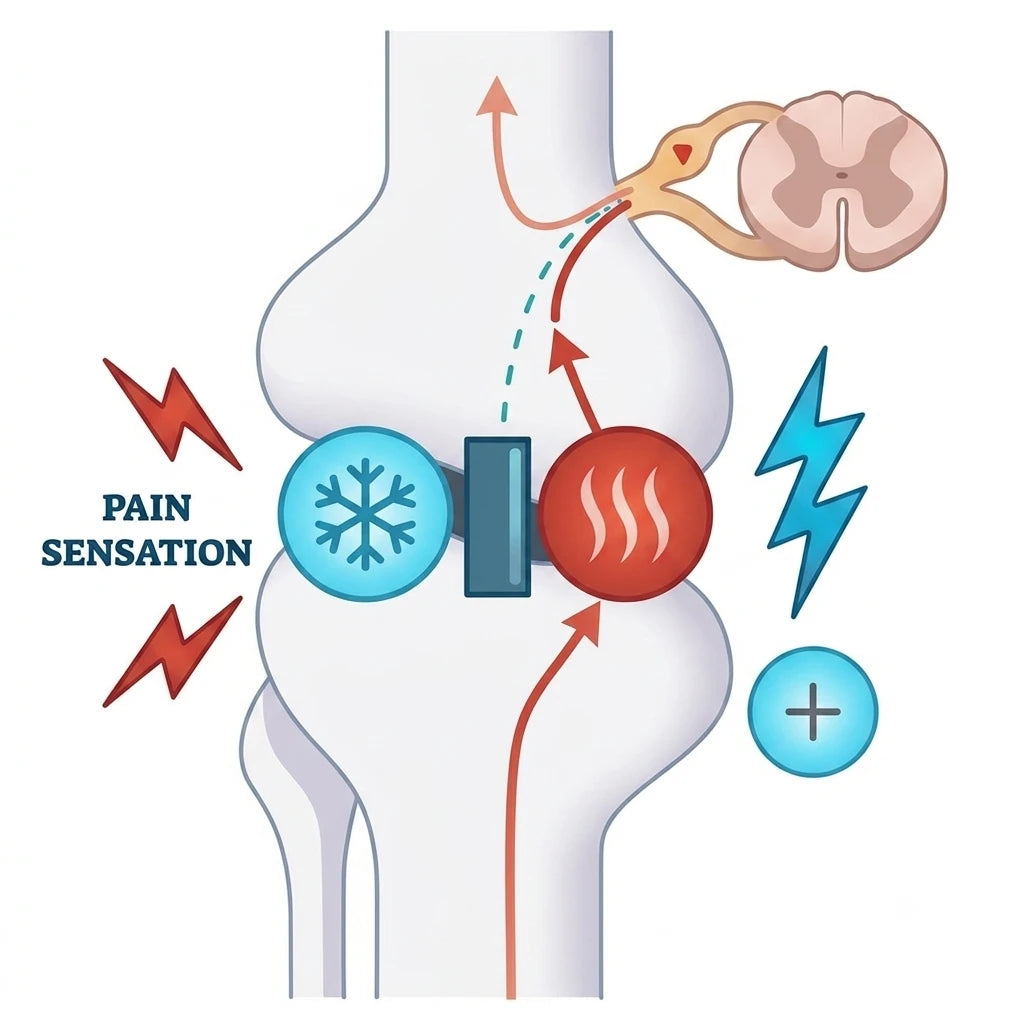
Intense thermal contrasts combined with compressive stimuli generate a high volume of non-nociceptive (non-pain) signals. According to the Gate Control Theory, these signals preferentially reach the brain first, effectively blocking or blunting the transmission of local, chronic pain signals.

Why Contrast Therapy + Compression Works

The Vascular Pump

Contrast Therapy

Contrast therapy — the alternation between cold and heat — creates a rhythmic vasoconstriction-vasodilation cycle that functions as a passive vascular pump. Cold application drives blood away from the surface; heat brings it rushing back. This alternating flow accelerates the clearance of metabolic byproducts (lactate, creatine kinase) significantly faster than cold or heat alone.

  • Increases localized blood flow by up to 3× during the heat phase of each cycle
  • Reduces creatine kinase levels post-exercise more effectively than passive recovery
  • Clinical evidence from sports medicine literature dating to the 1960s
  • Standard protocol: 1–2 min cold / 3–4 min heat, repeated 3–5 cycles

Beyond the Muscle Pump

Pneumatic Compression

Intermittent pneumatic compression (IPC) applies sequential pressure from distal to proximal, physically pushing venous blood and lymphatic fluid back toward the heart. Unlike static compression sleeves, the X2's dynamic pressure cycles actively mimic and augment the body's own muscle pump mechanism — achieving clearance rates that passive methods cannot match.

  • Increases venous blood flow velocity by 175–200% during compression cycles
  • Reduces edema volume in postoperative patients by 30–45% compared to standard care
  • Stimulates fibrinolysis, potentially reducing DVT risk in immobilized patients
  • Applied at 0–250 mmHg, adjustable to user comfort and therapeutic need

Beyond Pain Relief

Cold Therapy

Cryotherapy's analgesic effect is well known, but its therapeutic value extends further. Controlled cooling reduces the metabolic rate of injured cells, limiting secondary hypoxic injury. It also suppresses the release of pro-inflammatory cytokines (IL-6, TNF-α), helping contain the inflammatory cascade in the critical 24–72 hour post-injury window.

  • Reduces intra-articular temperature in the knee by 6–10°F with consistent application
  • Lowers local metabolic rate by approximately 5–7% per °F of tissue cooling
  • Nerve conduction velocity decreases, providing immediate analgesia
  • Gold standard for acute injury management across sports medicine

Circulation & Tissue Repair

Heat Therapy

Superficial heat application increases tissue temperature by 2–4°F at depths up to 3 cm, triggering a cascade of therapeutic effects. Blood vessels dilate, oxygen delivery increases, and collagen tissue becomes more extensible. This is particularly valuable in the subacute and chronic phases, where improving circulation and tissue pliability accelerates long-term recovery.

  • Increases local blood flow by 2–4X within 15–20 minutes of application
  • Improves collagen extensibility, aiding joint mobility and reducing stiffness
  • Activates heat shock proteins that protect cells from subsequent stress
  • Effective for chronic conditions including osteoarthritis and tendinopathy

STUDIES

Backed By Science

The XPOLAR X2 is a physical-therapist-approved sports recovery device that uses precision cold, heat, compression, and contrast therapy (0–50°C) to relieve soft-tissue pain, reduce inflammation, and prevent sports injuries.

From Research to Recovery

Clinical data is the foundation. But the real measure is how the X2 performs in the hands of athletes, post-surgical patients, and everyday users.

89%
Reported pain improvement

Post-op knee patients using cold + compression protocol, 6-week follow-up

2.4X
Faster DOMS recovery

Athletes using contrast + compression vs. rest-only after leg-day training

92%
Would recommend to others

Based on user feedback surveys across recovery scenarios

30min
Average daily recovery time

User-reported optimal session length for noticeable results

"Contrast therapy combined with compression represents the most complete non-pharmacological recovery modality we have today."

FAQ

Our customer support is available Monday to Friday: 8am-8:30pm.Average answer time: 24h